2025 Review: Stability, Shifts and the New Shape of Sports Marketing
Published on
by James Chadderton
Drawing on data from Nielsen, GlobalData and other industry sources, curated and analysed by the SPORTFIVE Business Intelligence team, this review examines 2025 as a year of recalibration for global sport, defined less by sheer volume and more by strategic intent.
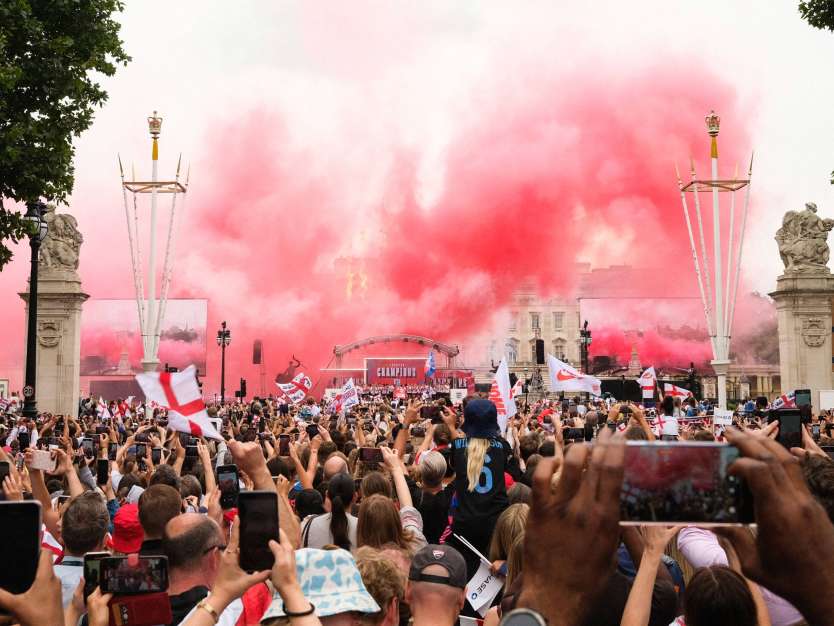
Despite the absence of a traditional mega-event such as the Olympic Games or FIFA Men’s World Cup, the calendar delivered compelling storylines and cultural moments. The year marked a landmark period for women’s sport, led by the UEFA Women’s EURO 2025 alongside multiple world championships.
For the sports marketing industry, 2025 tested the ability to generate value through sustained engagement, digital-first activation and strategic focus, reinforcing the importance of depth and consistency across the global sports calendar.
In this Insight:

Stability Without the Mega-Spikes
Global sponsorship volume reached USD 38.95 billion (Source: GlobalData), effectively flat year-on-year. On the surface, this stability may appear unremarkable. In context, it represents a strong signal of market health.
In the absence of superweight events that traditionally drive short-term inflation, the market held firm where it has historically softened. This confirms a sponsorship ecosystem that is more diversified, less cyclical and increasingly supported by leagues, year-round narratives and digital-first engagement models.
The implication is clear: the industry’s growth engine is no longer confined to four-year event cycles.

Category Dynamics: Growth, Pressure and Strategic Reallocation
Category performance in 2025 further explains how the market sustained itself in a non-spike year. Beverages reinforced their position as the leading sponsorship sector, capturing 12.18% of total spend (USD 4.74B), slightly ahead of textiles (11.77%, USD 4.59B) and financial services (9.68%, USD 3.77B) (Source: GlobalData). From energy and hydration to beer and zero-sugar formats, the category continues to benefit from its natural alignment with live sport, lifestyle culture and scalable digital activation. Its growth reflects an ability to integrate seamlessly across leagues, teams and fan touchpoints worldwide.
Automotive, by contrast, recorded the sharpest pullback, with a 7.3% share (USD 2.84B) and a decline of 0.9 percentage points versus 2024 (Source: GlobalData). Confronted by electrification pressures, sustainability scrutiny and shifting strategic priorities, manufacturers scaled back traditional sponsorship, particularly in Europe. The decline reflects broader structural transformation rather than a loss of confidence in sport as a platform.
Other sectors, including textiles, financial services, and retail, maintained significant shares, highlighting the market’s depth and resilience. Together, these trends illustrate an ecosystem increasingly shaped by strategic selectivity and category-specific priorities, rather than broad-based spend increases.

Regional Power Shifts Continue
Geographically, the global sponsorship landscape continued to evolve. North America retained its position as the anchor of the market, accounting for nearly half of global sponsorship value and maintaining its role as the primary engine of scale.
Europe, despite hosting the UEFA Women’s EURO 2025, saw its relative share decline as markets normalized following an inflated 2024. Asia sustained gradual but consistent growth, while the Middle East once again emerged as the fastest-growing region, driven by long-term investment strategies, rights acquisitions and global event hosting ambitions.
These shifts reflect a market that is becoming more geographically balanced and increasingly influenced by long-term strategic capital.
Within Europe, the recalibration was uneven but rational. France experienced a sharp post-Olympic correction as Paris 2024-related activation rolled off. Switzerland gained ground, fuelled by increased activity from luxury watchmaking brands targeting premium, globally visible sports assets.
Leagues Drive the Depth of Attention
Media consumption patterns reinforced the structural shift underway. In 2025, sustained properties delivered the deepest exposure and the most reliable commercial platforms.
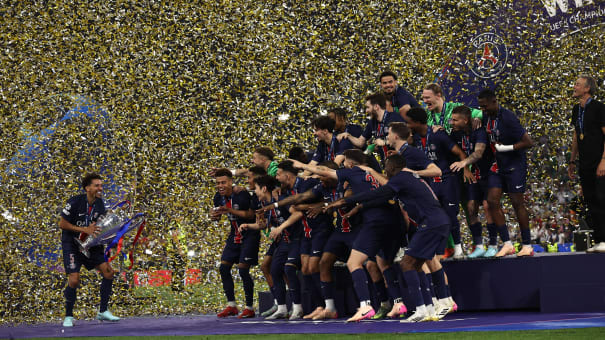
The Indian Premier League generated more than 21 billion hours viewed domestically, underlining cricket’s unmatched scale in India. The NFL followed with 8.6 billion hours viewed across the US and Canada, while the Premier League and UEFA Champions League each approached four billion hours viewed globally (Sources: SportsPro Media, Médiamétrie – Glance, Nielsen Sports, SPORTFIVE). These figures underline a decisive trend: value is increasingly anchored in duration and frequency, not just in isolated moments.
For brands, this reinforces the importance of always-on environments that enable consistent presence, storytelling and activation across the season.
Events Still Matter - But Narrative Matters More
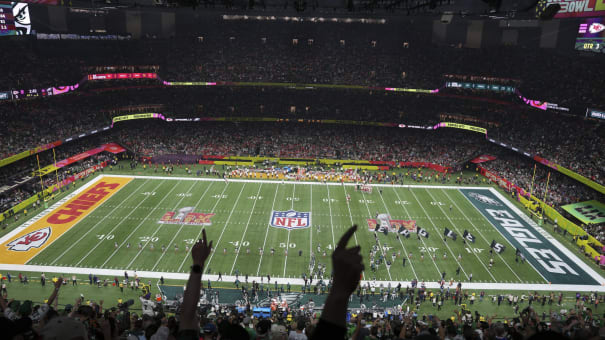
Attention in 2025 remained abundant, though increasingly fragmented. Major events continued to deliver exceptional peaks. Super Bowl LIX generated 460 million hours viewed in the US alone, while Wimbledon (260M hours viewed in the UK), the Tour de France (306M hours viewed in France) and the NBA Finals (215M hours viewed in the US) dominated their respective domestic markets (Sources: Nielsen, ASO, UEFA, SPORTFIVE).
The UEFA Women’s EURO 2025 stood out as a defining moment, delivering 900 million hours viewed globally, record-breaking attendance and a significant step-change in international audiences, particularly in the US. The tournament marked another step in women’s sport transitioning from momentum to scale (Source: Nielsen).

Always-On Properties Strengthen Their Position
While events delivered spikes, leagues and series once again provided the deepest commercial foundations. The NFL combined massive broadcast reach with nearly 20 million in-stadium attendees and a social following of 150 million (Source: Blinkfire), while continuing to build international fandom through its global games strategy.
Formula 1 sustained its upward trajectory, with total sponsorship value of the whole ecosystem reaching USD 2.8 billion, driven primarily by team partnerships and a global calendar attracting approximately seven million fans on site. Basketball also progressed meaningfully, with NBA sponsorship value increasing at a double-digit rate of 11% (Source: GlobalData) and the WNBA continuing to post gains in both attendance and viewership, with the total average live viewers progressing 2% YoY (705k vs. 691k) (Source: Nielsen).

Strong Domestic Foundations Still Matter
Other sports reinforced the importance of deep domestic relevance paired with global reach. Handball delivered exceptional broadcast performances in core European markets, with audience shares rarely seen in modern television. Winter sports, led by ski jumping (540M hours viewed globally for the 2024/25 season) (Source: Nielsen), continued to generate significant global media impact, reaffirming the value of established properties with loyal fan bases.
These examples underline that while global scale matters, strength at home remains a critical pillar of commercial success.
2025 will not be remembered for a single defining moment or tournament. It will be remembered as a year that demonstrated the growing maturity of the sports marketing ecosystem.
Stability replaced volatility. Continuous storytelling outweighed calendar-driven spikes. Global diversification continued, even as traditional strongholds recalibrated.
Beyond the match itself, 2025 showed an industry increasingly built on consistency, attention and long-term relevance. For brands, rights holders and partners alike, that evolution is not a temporary adjustment. It is the new baseline.
