
From Momentum to Meaning: Shaping the Next Era of Women’s Sport
Published on
Millions of viewers tuned in for the Women’s Rugby World Cup. Packed stadiums for the Women’s European Football Championship, with 3.5 million viewers in France during the 2025 edition, a tournament that topped sports broadcast rankings in both Germany and the United Kingdom. Competition after competition, record-breaking audiences continue to put an end to a debate that should never have existed: yes, women’s sports attract. Yes, audiences are showing up. This is no longer a hypothesis, it is a documented, quantified, indisputable reality.
In this Insight:
At SPORTFIVE, we witness this every day. Our 2025 whitepaper on women’s football confirms it. The rise of the women’s game is not a trend but a structural movement driven by a convergence of factors. The timing is right.
Behind The Records
These audience spikes are victories that conceal a misleading reality. They create the impression of a deep, lasting shift already underway. The truth is more nuanced. On a global scale, women’s sports still accounted for only 8% of prime‑time sports coverage in 2025. The exceptional visibility of major tournaments hides structural imbalances that continue to persist. What we are seeing is only the tip of the iceberg.
Still Playing Catch-Up
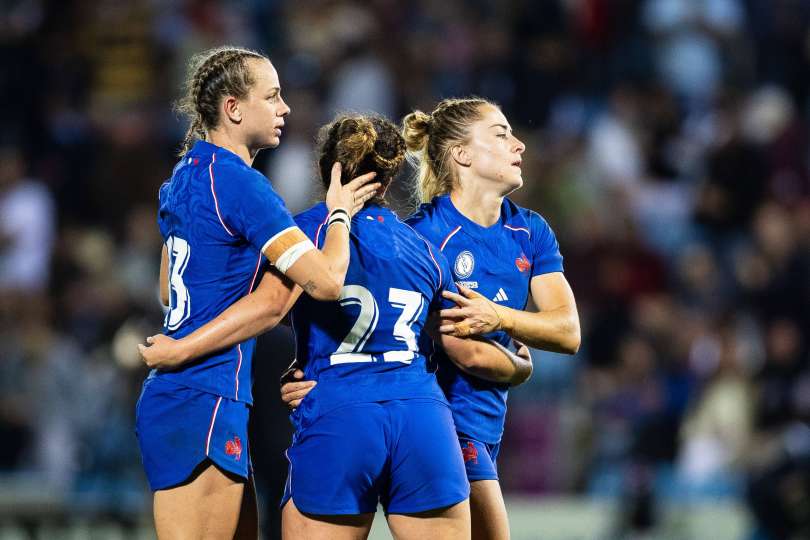
While major international competitions now benefit from genuine media coverage, national leagues remain almost invisible. Sponsorship and commercial exposure are still heavily concentrated around a handful of flagship events, leaving the rest of the ecosystem without the financial oxygen it needs. The consequence is direct and tangible: pay gaps that continue to force high‑level athletes to work a second job alongside their sporting careers.
In rugby, French internationals earn between 3,000 and 4,000 euros per month, on contracts renewed according to performance, while male rugby players are salaried by their clubs and earn an average of 20,000 euros per month. Today, 75% of Elite 1 female players still juggle rugby with another job. A structural issue.
Culture and Competence
In 2026, having to learn an athlete’s name and achievements live, while she is competing, should be unthinkable. Yet the lack of training and genuine knowledge of women’s sports among many journalists and commentators still leads to embarrassing, and at times sexist, situations. A paternalistic tone, an excessive focus on appearance or personal life rather than technical skills: these reflexes reveal a professional culture that has yet to fully recognise women’s sports as a subject in its own right.

Athlete Livelihoods
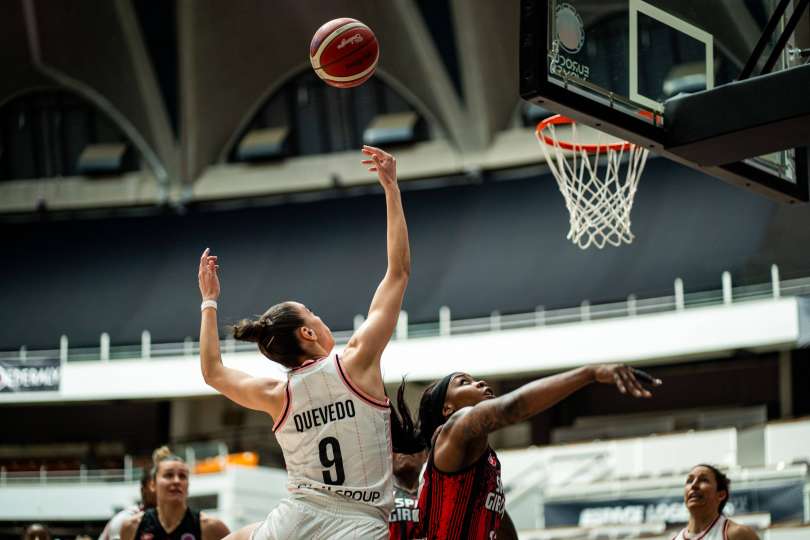
Competition and training schedules often fail to account for the realities of women athletes’ lives, whether it’s the mental load of family responsibilities, which still falls predominantly on women, or the economic constraints mentioned earlier. Medical monitoring and training protocols also remain largely modelled on the male body, due to insufficient research on female‑specific physiological needs.
In 2020, the captain of the French national handball team, Estelle Nze Minko, published an op‑ed denouncing the taboo surrounding menstruation in sports, revealing in passing that the topic had never been addressed in most of the clubs she had played for. Five years later, the Persil x Arsenal campaign, designed to break the taboo around periods in sport, showed that 78% of British girls aged 15 to 18 had already stopped practicing sport because of their menstruation. These figures are not isolated; they reflect a system designed, built and still largely governed without women in mind.
Motherhood is no exception: it remains a taboo in women’s professional sports, with very few contractual frameworks capable of truly protecting the athletes concerned.
Change Starts at the Top
Behind each of these issues lies a common reality: decisions are still overwhelmingly made by men. The figures speak for themselves. In 2024, women held only 5.7% of presidencies within Olympic federations in France. And according to the COSMOS 2026 Gender Balance Barometer, they account for just 11% of salaried leaders within sports organisations, a number that is rising, certainly, but still far from sufficient. Moreover, 38% of organisations surveyed report genuine difficulties in transforming their governance structures, particularly within institutions historically led by men.
The law of 2 March 2022 now mandates full gender parity within the national bodies of sports federations, a significant step forward, with results required from 2024 for national governance and from 2028 at the local level. It is a strong signal. But a law does not change a culture. As long as leadership structures fail to reflect the diversity of those who practice sport, change will remain superficial. The transformation of the women’s sports economy cannot take place without a parallel transformation of those who lead it.

Some Already Got It Right
This picture would be incomplete without acknowledging those who are already doing things differently. OL Lyon and its partnership with Kynisca offer a model that goes far beyond visibility, building a genuine ecosystem around elite women’s football, driven by a long‑term vision. The French Women’s Handball League, which has introduced a one‑year maternity leave for its professional players, has also taken a bold step, sending a clear signal of what “caring for athletes” truly means in practice.
These initiatives demonstrate that change can happen when the will is there, and that this momentum does not come solely from institutions. Brands like AXA, Intermarché and Orange have understood this: committing long‑term to women’s sports means helping to build a stronger, more resilient model, not merely gaining visibility.
The SportOnSocial 2026 report confirms it unequivocally: investing in the development, visibility and storytelling of female athletes is no longer a value‑driven option, it is a strategic necessity. Beyond being a playing field, sport is a catalyst for social change, a symbol of progress, and one of the clearest long‑term investment opportunities in the global sports landscape.
The momentum is here, and so is the audience. Ten years from now, we will still be talking about the brands that chose to commit at the right moment, the ones that understood, ahead of everyone else, that women’s sports were not a cause to support but a strategic opportunity to seize. The history of sport has always rewarded those who had the courage to leap first. Women’s sports, however, will not wait any longer.
Frequently Asked Questions
SPORTFIVE is a global sports marketing agency that specialises in sports rights, marketing, and entertainment. We work with sports organisations, clubs, and brands to create and optimise commercial opportunities in the sports industry. SPORTFIVE is involved in various aspects of sports business, including the sale of broadcasting rights, sponsorship and partnership management, stadium naming rights, and other marketing initiatives.
SPORTFIVE creates innovative, engaging solutions that are worthy of the incredible sports, athletes and partners we work with, and the passionate fans who follow them. Campaigns are built collaboratively, based on trust and transparency, and enabled by a deep understanding of the industry, the agency’s global reach, digital intelligence and creative courage.
The result is gamechanging sports partnerships that redefine standards in the sports and entertainment space.
SPORTFIVE believes in the power of five - bringing brands, rights holders, media platforms, fans and ‘us’ together through sport.
SPORTFIVE is a global sports marketing agency that specialises in various aspects of the sports and entertainment industry. The agency works with sports organisations, teams, and brands to optimise commercial opportunities.
One of SPORTFIVE's key areas of focus is the sale and management of sports media rights, including broadcasting and digital distribution deals. They negotiate and facilitate partnerships, sponsorships, and naming rights for sports entities, helping them enhance their brand value and revenue streams.
Additionally, SPORTFIVE provides expertise in marketing strategies, assisting clients in building strong connections with their target audiences. Their comprehensive approach spans across the sports business landscape, from media rights to sponsorship management, contributing to the overall growth and success of their clients in the dynamic world of sports marketing.
Sponsorship is the financial support for a sporting event, organisation or athlete by an outside body, for the mutual benefit of both parties. At the professional level this tends to be by companies, to raise the profile of their brand by associating it with the athlete.
The company aims to generate brand awareness and customer recognition, whilst the event, organisation or athlete receives a boost in funding.
A popular example is a brand logo printed on a team shirt. Visibility is guaranteed, even more so in the modern world with social media and online highlights.
In the land of media and marketing rights today, there is no cookie-cut solution for brands, and a simple logo placement will not provide the sufficient return on investment (ROI) for sponsorship, nor does it give their target audience the “why?” - the reason to spend their money and engage with the product.
Companies investing in sports sponsorship need to look at the bigger picture to engage with fans and not rely on just one piece of inventory.
Partnership marketing is an important part of the sports industry. It involves collaboration between a sports team, league, or event and a brand or company. This collaboration can take many forms, such as sponsorship, product placement, or joint promotions. The goal of partnership marketing is to benefit both parties by increasing exposure, revenue, and brand recognition.
By partnering with a sports team or league, a brand can reach a large audience of fans who are passionate about their sport. This can lead to increased brand recognition and customer loyalty, as well as increased sales of particular products. Additionally, by offering special promotions or experiences, teams and brands can create a more memorable and enjoyable experience for fans.
When selecting the right type of partnership, teams and brands should consider factors such as brand values, fan demographics, and the overall image of the sport, to ensure it remains authentic whilst still connecting with the target audience.
Sports sponsorship lets brands create emotional content and become an integral part of fans’ daily lives. Every year, over 58 billion euros* are invested in sports sponsorship around the world as a way of reaching and acquiring customers through fan engagement.
€58bn* global volume in sports sponsorship in 2018
Marketing is crucial in sports for several reasons. Firstly, it enhances the visibility and popularity of sports teams, athletes, and events, attracting a broader audience and increasing fan engagement. Effective marketing strategies help create a strong brand image, fostering a connection between fans and their favourite teams or athletes. This emotional connection often leads to increased fan loyalty and support, translating into higher ticket sales, merchandise purchases, and overall revenue for sports organisations.
Moreover, marketing in sports plays a pivotal role in securing sponsorships and partnerships. Brands are drawn to sports entities with a significant and engaged fan base, offering lucrative opportunities for sponsorship deals. These partnerships not only provide financial support but also contribute to the overall prestige and marketability of the sports brand.
In the contemporary landscape, digital marketing and social media have become integral components of sports marketing, allowing for real-time interaction with fans, personalised content delivery, and global reach. Social media platforms serve as powerful tools to amplify the sports narrative and engage with fans on a more intimate level.
Ultimately, successful sports marketing goes beyond promoting matches and events; it cultivates a culture, builds communities, and transforms sports into a compelling and marketable entertainment product, driving the industry's growth and sustainability.
Establishing a partnership with an athlete, club, or federation involves a strategic approach and effective negotiation. Here are steps for each:
Athlete Partnership
Research: Identify athletes whose values align with the brand. Consider their audience demographics and market relevance.
Contact and Proposal: Reach out to the athlete or their management with a well-crafted proposal outlining the partnership benefits, objectives, and terms.
Negotiation: Discuss terms such as sponsorship duration, financial arrangements, and activation plans. Ensure mutual understanding and agreement.
Club Partnership
Research and Alignment: Research clubs that resonate with the brand's values and target audience. Align objectives with the club's goals.
Engage with Key Stakeholders:Reach out to club executives or sponsorship managers to discuss potential collaborations.
Customised Proposal: Present a tailored proposal highlighting the benefits, including branding opportunities, fan engagement, and joint marketing initiatives.
Federation Partnership
Understand Objectives: Understand the federation's goals and priorities. Align brand objectives with the federation's mission.
Engage with Decision-Makers: Reach out to key decision-makers within the federation to discuss potential partnerships.
Collaborative Planning: Work together to create a mutually beneficial partnership plan, considering financial contributions, promotional activities, and long-term goals.
Building relationships, demonstrating the value of the partnership, and negotiating terms collaboratively are key elements in establishing successful partnerships in the sports industry.
