
From Stadium Screens to Social Feeds: How FIFA World Cup™ 2026 is Rewriting Sports Consumption
Published on
A new generation is consuming major sports events on its own terms - and transforming the game in the process.
The FIFA World Cup 2026™ is set to do more than raise the bar on the pitch - it represents a deeper shift in how millions of fans experience sports. TV broadcasts will still deliver mass reach, but the true fan experience is increasingly happening elsewhere: on streaming platforms, inside social feeds, and within live digital communities. Early forecasts show a global sports audience that is more fragmented, more interactive, and more influenced by gaming and creator-driven culture than ever before. The FIFA World Cup™ could become a defining moment - not just for football, but for the future of sports media.
In this Insight:
Worldwide Coverage
For decades, the FIFA World Cup™ has been above all a global television event. Broadcasting rights shape the structure of the tournament, ensure predictable reach, and form the foundation of its media business. This model will remain in place for the 2026 edition, though on a larger scale.
Internationally, the tournament will become the most extensive media production ever created for a football event. According to the industry outlet FIFA World Cup News, the competition, with 48 participating nations, 104 matches, and host cities across the United States, Canada, and Mexico, will be shown live in more than 190 countries. Global broadcasting rights alone generate around 3.9 billion US dollars, placing the FIFA World Cup™ 2026 among the most valuable sports events in history.
The outlet lists a wide range of national and regional media partners that have secured substantial rights packages, from public broadcasters in Europe to major US networks as well as pay TV and streaming platforms across Asia, Africa, and the Middle East. Despite different licensing structures, the basic principle remains the same worldwide: the World Cup is presented as a continuous live event over several weeks, with maximum global visibility across linear channels and complementary digital platforms.
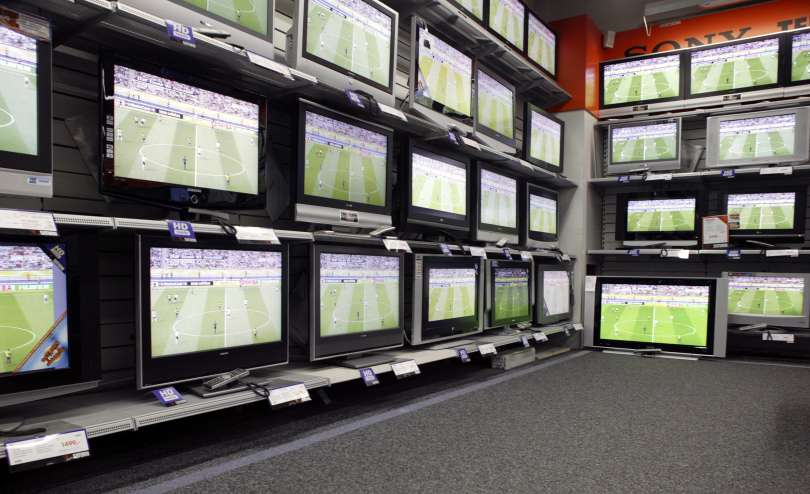

The FIFA World Cup™ has been, above all, a global television event for decades. Broadcasting rights shape the structure of the tournament, provide predictable reach, and form the basis of its media monetization. This model will remain in place for the 2026 edition, although in an expanded form.
In Germany, broadcasters ARD and ZDF have secured a total of 60 matches, including all games featuring the German national team, key knockout fixtures, and the final. The coverage is significantly extended by MagentaTV, which holds the rights to broadcast all 104 matches live, offering the most comprehensive coverage of the tournament. This setup combines the strong reach of free‑to‑air television with full tournament access through a pay provider, forming the traditional foundation of World Cup media distribution in Germany.

Social Media Forecast Shows New Media Usage Patterns
The real shift in paradigm, however, is happening beyond traditional broadcasts. According to the Social Media Forecast 2026 by the agency BUILD A ROCKET, media consumption among younger audiences is changing fundamentally: content is no longer simply watched, but experienced together, commented on, and remixed.
Gaming and streaming platforms such as YouTube, Twitch, and TikTok Live play a central role in this shift. What matters here is not polished production but live reactions, authenticity, and a sense of community. BUILD A ROCKET notes that young users often follow several screens and feeds at the same time, prefer highlights in short‑form clips, and discover sports through the perspectives of creators.
This trend is reinforced by the rapid growth of the global livestreaming market, which, according to current analyses, is expected to grow at double‑digit rates from 2026 onward. The 2026 World Cup will therefore meet an audience that no longer simply “watches” sports but experiences it collectively, much like gaming streams. For rights holders, brands, and platforms, this creates a new challenge: relevance is no longer defined by the broadcast alone, but by the ability to translate sports into digital communities.

“Users expect spontaneous interaction, quick reactions, and live moments that feel like shared ‘public viewing’ inside the feed.”
Hanna Berger, Head of Social Media Agency Build A Rocket
+0%
Yearly Growth in the Global Sports Livestreaming Market
>0Mio.
Views per Matchday in the Kings-/Icon-League and Creator-Leagues
0x
more engagement at Real‑time reaction videos than standard videos.
FIFA x TikTok
A practical look at this shift becomes clear in the planned collaboration between FIFA and TikTok, which is analyzed in the BUILD A ROCKET Social Media Forecast 2026. The FIFA World Cup™ 2026 will feature 104 matches and 48 participating nations for the first time. For a tournament of this scale, content distribution is deliberately diversified. Instead of relying solely on long highlight formats, the focus is on platform‑specific clips, short live sequences, and serialized formats.
The forecast notes that short‑form video now accounts for a large share of daily video consumption among people under 30, while linear television continues to lose relevance in this age group. TikTok reaches a global audience in the billions and is increasingly integrated as an official distribution channel for major events. For the World Cup, this means match clips, daily summaries, and accompanying live formats will be published at high frequency and no longer tied to traditional broadcast schedules. The platform functions not as an add‑on, but as an independent driver of reach within the overall media strategy of the tournament.
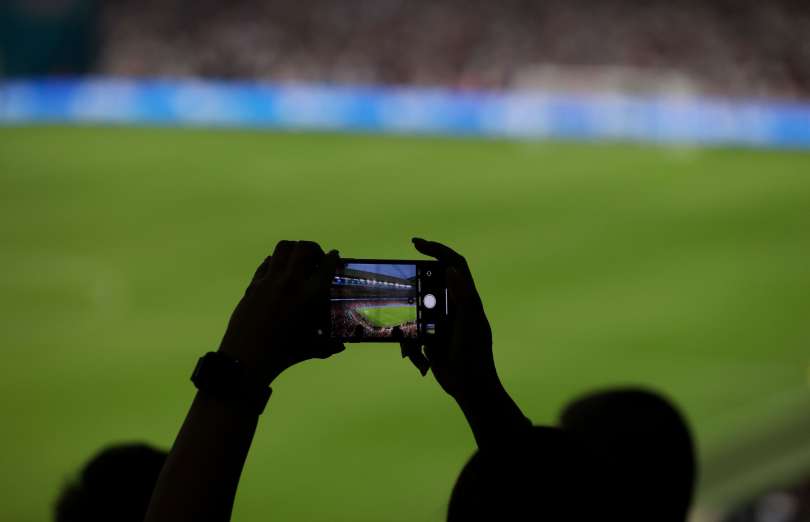

FIFA x YouTube
YouTube is also part of the World Cup strategy and is officially listed by FIFA as the “preferred platform” for the 2026 tournament. As YouTube explains, the platform will play a central role in the digital coverage of the event. The agreement opens new rights windows for media partners: they may show the first ten minutes of each of the 104 World Cup matches live on YouTube, and depending on regional rights structures, selected matches may even be streamed in full.
The partnership also includes a wide range of supporting content, from highlights and extended summaries to Shorts and video‑on‑demand formats. In addition, FIFA is working with a global group of YouTube creators who will accompany the tournament with their own journalistic and analytical formats, according to the YouTube blog. The offering is rounded out by access to FIFA’s archive, including full matches from past World Cups and iconic tournament moments.
Conclusion
The FIFA World Cup™ 2026 illustrates how sports are increasingly shifting from fixed broadcasts to dynamic digital spaces. What matters now is not just where a match is shown, but how it continues to live within social environments.
Platforms, creators, and communities are shaping a new form of participation that extends far beyond traditional coverage. The tournament becomes a marker of how sport is reinventing itself within a connected media culture.
